Affordable Concrete Slab Options for Trenton Homes & Surrounding Areas
Homeowners in Trenton, NJ, and nearby communities such as Ewing, Hamilton, Lawrence Township, Princeton, West Windsor, Bordentown, Hopewell, Pennington, Yardley, and Robbinsville are increasingly choosing affordable concrete slab options for various residential projects. Whether you are building a new home, expanding your garage, or installing a patio, concrete slabs offer durable, cost-effective, and low-maintenance solutions. Knowing the available options helps you make the right decision for your budget and property needs.
What Are Concrete Slab Options for Homes in Trenton?
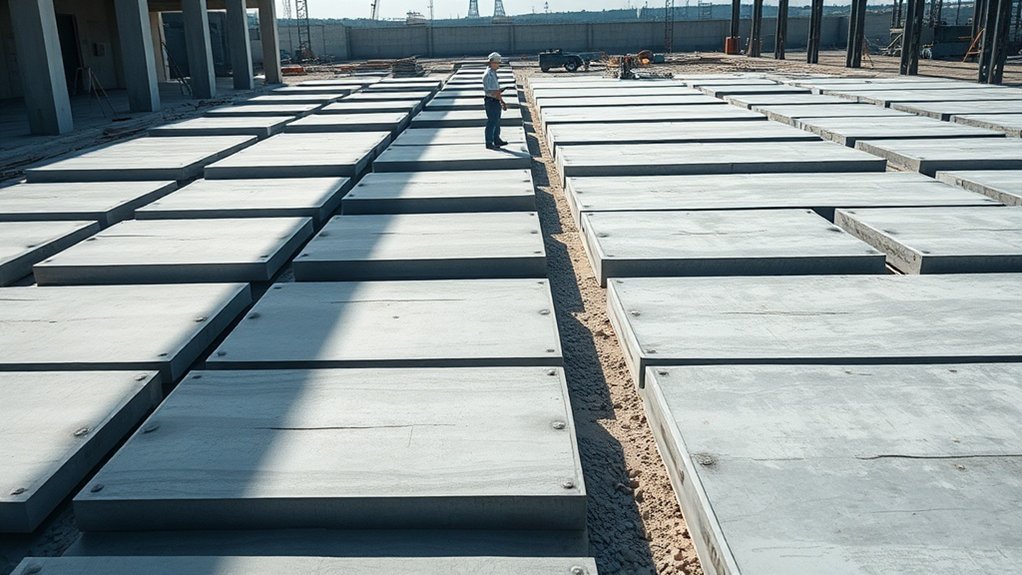
Concrete slab options include standard slab-on-grade, reinforced concrete, stamped concrete, and insulated concrete slabs. These slabs are commonly used for foundations, driveways, patios, and garage floors. In Trenton, NJ, homeowners choose different options based on the type of project, soil conditions, and budget. Professional contractors help determine the most suitable slab type for your home and local climate.
Why Are Concrete Slabs a Popular Choice in Trenton and Nearby Areas?
Concrete slabs are popular because they are durable, cost-effective, and low maintenance. Homeowners in surrounding areas like Hamilton and Ewing prefer slabs for their strength and long-lasting performance. Concrete withstands heavy traffic and weather conditions, making it ideal for driveways, patios, and foundations. It also helps enhance property value due to its durability and clean appearance.
What Is the Average Cost of a Concrete Slab in Trenton?
The cost of a concrete slab depends on the size, thickness, and finishing of the slab. In Trenton, the price can vary depending on the project type—such as a driveway, patio, or foundation. Additional factors like excavation, reinforcement, and grading can affect the final cost. Local contractors in Lawrence Township and Princeton often provide free estimates to help homeowners plan their budget accurately.
What Are the Best Affordable Concrete Slab Options for Driveways?
For driveways, the most affordable option is usually a standard concrete slab with basic finishing. Reinforced concrete with wire mesh or rebar can be added for extra strength, especially in high-traffic areas. Homeowners in West Windsor and Bordentown often choose this option because it offers long-term durability without breaking the budget. Proper grading and base preparation also ensure the driveway lasts longer.
Can Concrete Slabs Be Used for Patios and Outdoor Living Spaces?
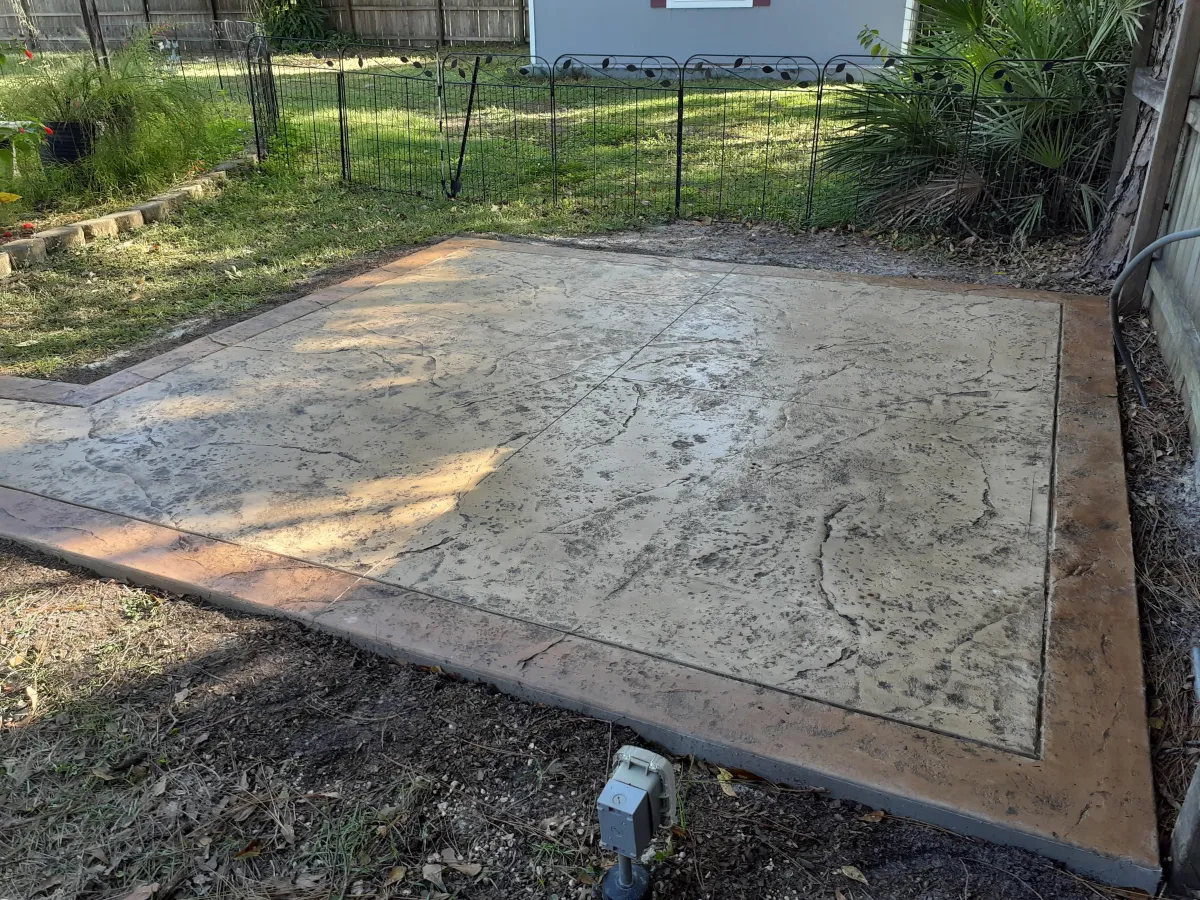
Yes, concrete slabs are an excellent choice for patios and outdoor living areas. Stamped or textured concrete can mimic the look of stone or brick while remaining budget-friendly. In towns like Pennington and Hopewell, homeowners use concrete slabs for outdoor patios, pool decks, and garden pathways. With proper sealing, these slabs remain attractive and resistant to weather damage.
What Are Reinforced Concrete Slabs and Why Are They Recommended?
Reinforced concrete slabs include steel reinforcement such as rebar or wire mesh. This added strength helps prevent cracking and improves load-bearing capacity. In Trenton and nearby areas like Robbinsville and Yardley, reinforced slabs are recommended for garage floors and foundation work. Reinforcement is especially important in areas with heavy vehicles or large structures.
How Do Contractors Prepare the Ground for a Concrete Slab?
Proper preparation involves excavation, grading, and compacting the soil before pouring concrete. A solid base ensures the slab stays level and prevents future settling or cracking. Contractors in Ewing and Hamilton often add a gravel base and compact it well to improve drainage. This step is crucial for long-lasting results, especially in areas with variable soil conditions.
Are Insulated Concrete Slabs a Good Option for Trenton Homes?
Insulated concrete slabs include insulation layers beneath the slab, which help regulate indoor temperatures. This option is ideal for homes in Princeton and Lawrence Township, where energy efficiency is important. Insulation reduces heat loss during winter and helps keep floors warmer. While slightly more expensive upfront, insulated slabs can save money on energy bills over time.
What Maintenance Do Concrete Slabs Require?
Concrete slabs require minimal maintenance, making them a popular choice for busy homeowners. Routine care includes cleaning the surface, sealing every few years, and repairing small cracks quickly. Homeowners in West Windsor and Bordentown benefit from regular sealing to prevent moisture damage and stains. Proper maintenance keeps the slab looking new and extends its lifespan.
How Do You Choose the Right Contractor for Concrete Slab Installation?
Choose a contractor with local experience, good reviews, and a proven track record in Trenton and surrounding areas. Look for proper licensing, insurance, and clear estimates. Contractors in Yardley and Robbinsville should provide detailed quotes, explain the process, and offer warranties. A reliable contractor will help you select the right slab type, manage permits, and ensure a smooth installation.
Final Thoughts
Affordable concrete slab options provide Trenton homeowners with a strong, durable, and cost-effective solution for foundations, driveways, patios, and garages. With various slab types available, homeowners can choose the best option based on budget, project needs, and local climate. Working with experienced contractors in Trenton, Ewing, Hamilton, Princeton, and nearby towns ensures proper installation, long-lasting performance, and excellent value.
How long does it take to install a concrete slab?
Installation time depends on the size and complexity of the project. Generally, small slabs like patios can be completed in 1–2 days, while larger foundation slabs may take several days. Curing time adds extra days before the slab can be used.
Can concrete slabs crack over time?
Yes, concrete can crack due to settling, temperature changes, or heavy loads. However, proper preparation, reinforcement, and sealing can significantly reduce cracking and extend the slab’s life.
Is stamped concrete more expensive than regular concrete?
Stamped concrete is typically more expensive due to the additional labor and finishing techniques. However, it offers a decorative appearance that can mimic stone or brick at a lower cost than natural materials.
Do concrete slabs need permits in Trenton?
Permit requirements vary by project and location. Many slab installations, especially foundations and large driveways, may require permits. It’s best to consult a local contractor or city building department.
What is the best concrete thickness for a driveway?
A standard driveway slab is usually 4 inches thick. For heavier vehicles or commercial use, 5–6 inches with reinforcement is recommended for added strength.