
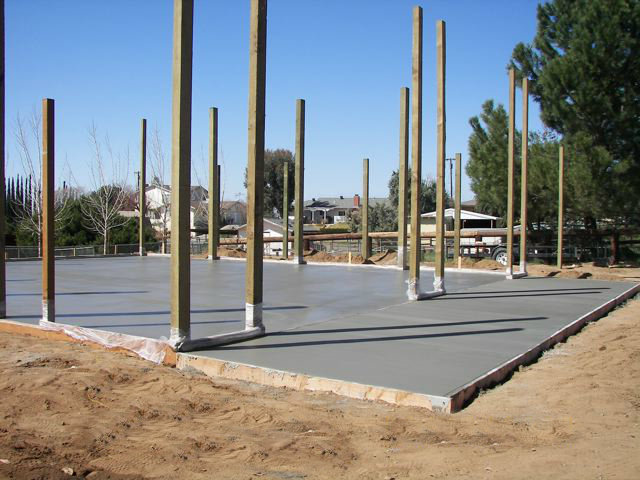
Best Pole Barn Slab Regulations in Bell, FL & Surrounding Areas
Understanding pole barn slab regulations in Bell, FL and surrounding areas is an important step before starting any new building project on your property. Local rules can affect slab thickness, reinforcement requirements, site preparation, drainage planning, and how the structure must be supported over time. Many property owners assume that a slab is a simple pour, but the truth is that proper planning and compliance can prevent costly issues such as cracking, settling, and failed inspections. Regulations may also vary depending on the intended use of the structure, soil conditions, and whether the slab will support heavy equipment or storage. Getting the right information early helps homeowners avoid delays and ensures the project stays on schedule. It also helps protect the long-term stability of the structure by ensuring the foundation is built correctly from the beginning. Contractors often review permit requirements, layout plans, and inspection steps to make sure the work meets local standards. With proper guidance, property owners can move forward confidently and build a slab that is safe, durable, and approved.
Why do slab regulations matter before building a pole barn?
Slab regulations help ensure the foundation can support the structure safely and prevent long-term settling or cracking. Following local rules also reduces the chance of failed inspections and costly rework. It protects the property owner from future structural issues. Many projects start with Pole Barn Slabs designed to meet local building standards.
What permits are usually required before pouring a slab in Bell, FL?
Permits may be required depending on the size of the structure and how the slab will be used. Local building departments often require a plan review before approval. Some projects may also need inspections for reinforcement and site prep. Checking requirements early helps avoid delays.
How do soil conditions affect slab requirements?
Soil conditions can influence slab thickness, reinforcement needs, and how the base must be prepared. Poor soil may require extra compaction or stabilization to prevent sinking. Drainage planning also becomes more important in areas with soft ground. A proper evaluation helps avoid long-term damage.
What thickness is typically required for a pole barn slab?
Thickness requirements vary based on the structure size and intended load. Slabs supporting heavy equipment may require thicker concrete and stronger reinforcement. Local codes may set minimum standards for safety. A contractor can confirm the correct thickness for your specific project.
Why is drainage planning important for slab compliance?
Drainage prevents water from pooling around the slab and weakening the base over time. Poor drainage can lead to erosion, cracking, and uneven settling. Local regulations may require proper grading and runoff control. Planning drainage correctly helps protect the foundation long-term.
What reinforcement methods are commonly required in slab construction?
Reinforcement may include rebar, wire mesh, or fiber additives depending on local rules and load demands. Proper reinforcement reduces cracking and improves strength. Inspectors may check reinforcement placement before the pour. This step helps ensure the slab meets structural standards.
How can contractors help ensure a slab passes inspection?
Contractors follow local guidelines, schedule inspections at the right times, and prepare the site correctly before pouring. They also confirm reinforcement placement, formwork, and base preparation meet code. This reduces the risk of costly corrections later. Many contractors also handle Concrete Steps as part of complete foundation and access planning.
What other concrete projects often follow slab installation?
After a slab is complete, property owners may expand outdoor access and usability with additional concrete work. These upgrades improve convenience and overall property function. Many homeowners add Concrete Driveways for easier access and equipment movement.
How do walkways and access paths relate to slab planning?
Walkways help improve safety and accessibility around the structure, especially during wet weather. Planning them early can help with grading and drainage layout. This prevents water issues and creates a more functional property design. Many homeowners include Sidewalks/Walkways to connect entrances and work areas.
Can outdoor living spaces be added near a pole barn slab?
Yes, many property owners build outdoor areas near their structure for comfort and usability. These spaces can be designed for relaxation, gatherings, or work breaks. Proper layout and grading help everything flow together smoothly. Some homeowners add Pool Patios to enhance outdoor enjoyment and property value.
Final Thought
Following local slab regulations in Bell, FL helps property owners build with confidence and avoid delays, failed inspections, and long-term foundation issues. Proper planning, correct thickness, reinforcement, and drainage design all play a major role in creating a stable and durable slab. By understanding requirements early and working with experienced professionals, homeowners can complete their projects smoothly and protect their investment for years to come.
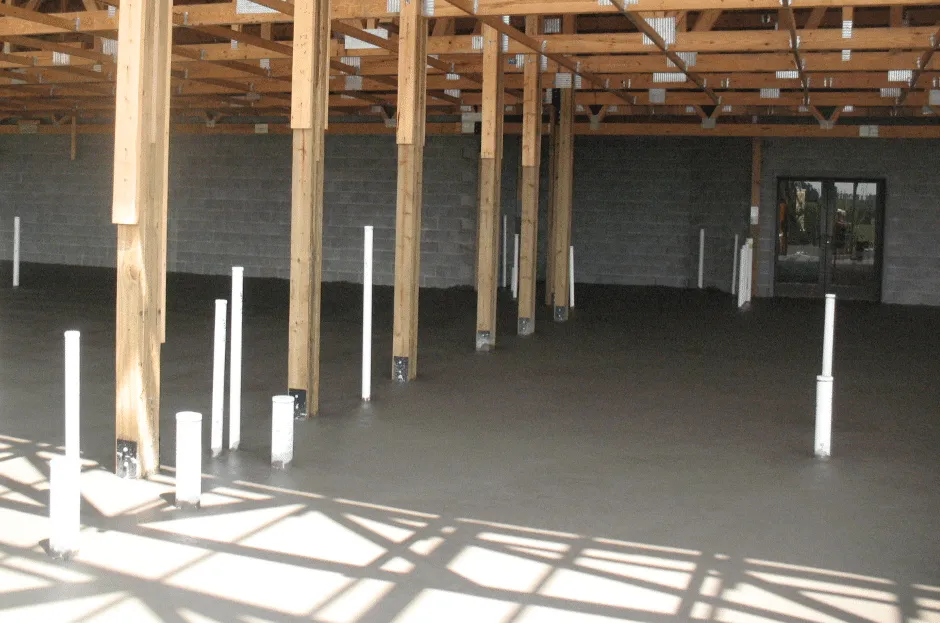
Do I always need a permit to pour a slab in Bell, FL?
Not always, but many projects do require permits based on size and use. It is best to check with the local building department.
What happens if a slab does not meet code requirements?
It may fail inspection and require repairs or removal. This can increase project cost and cause delays.
How long should a slab cure before building begins?
Most slabs need time to cure properly before heavy work begins. Contractors usually recommend waiting several days or longer depending on conditions.
Can I pour a slab without reinforcement?
Some slabs may allow minimal reinforcement, but many require it for strength and durability. Local rules often determine the minimum requirements.
Why does slab cracking happen even with good concrete?
Cracking can happen from poor base prep, moisture changes, or lack of reinforcement. Proper planning helps reduce the risk.