
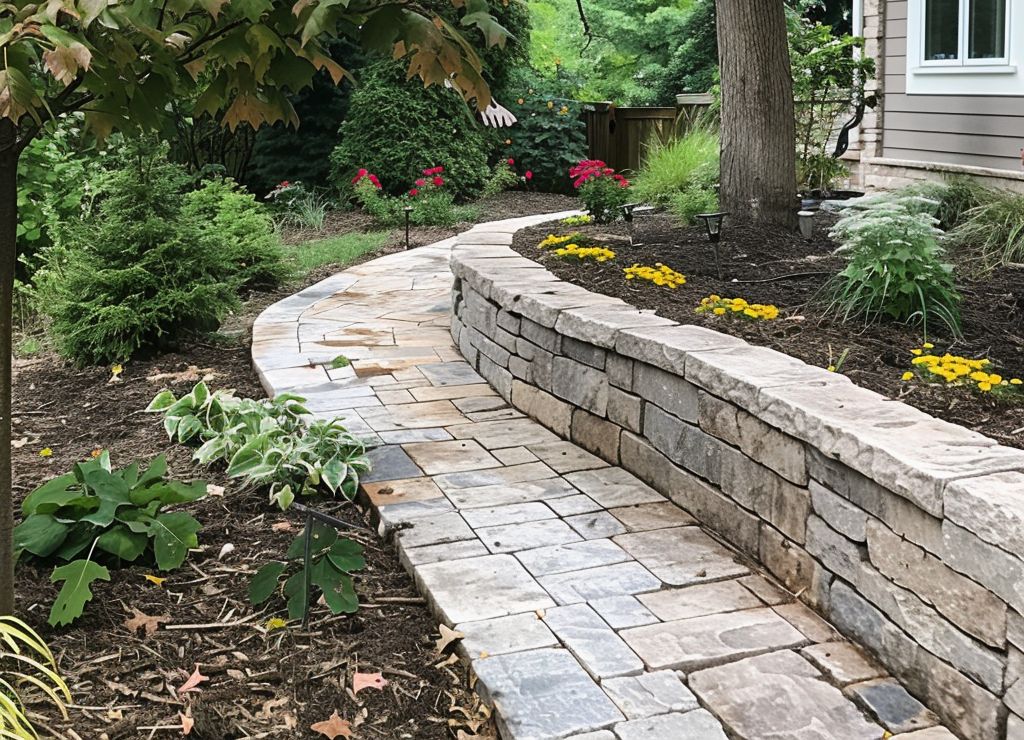
Step-by-Step Walkway Installation Guide in Newberry, FL and Surrounding Areas
Installing a walkway is a great way to improve accessibility, organization, and visual appeal in outdoor spaces. A well-planned walkway connects important areas such as driveways, gardens, patios, and entrances while adding structure to the landscape. With the right materials and installation techniques, homeowners can create durable and attractive pathways that enhance both safety and property value. Understanding the step-by-step process of walkway installation helps ensure the final result is both functional and long-lasting.
Why is planning important before installing a walkway?
Planning is the first and most important stage of walkway installation. Homeowners should determine the purpose of the walkway, whether it is for decoration, heavy foot traffic, or connecting specific areas. Measuring the layout and choosing a design helps avoid costly adjustments later. Proper planning also ensures the walkway complements the surrounding landscape.
What materials are commonly used for walkway installation?
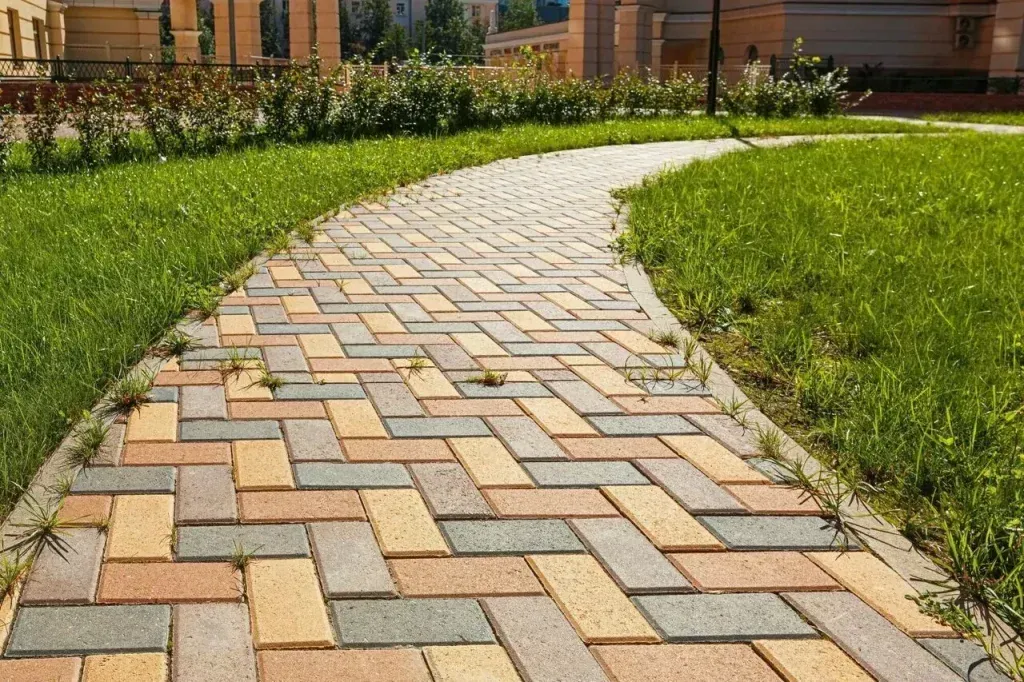
Walkways can be built using materials such as concrete, brick pavers, natural stone, or gravel. Each material offers different advantages in terms of durability, appearance, and maintenance. Pavers are popular because they provide design flexibility and are easy to repair if damaged. Concrete walkways, on the other hand, offer a smooth and long-lasting surface.
How is the walkway layout marked before construction begins?
Before excavation begins, contractors typically mark the walkway path using stakes and string lines. This step helps visualize the exact location and shape of the pathway. It also ensures proper width and alignment throughout the installation process. Accurate marking prevents uneven paths or misaligned sections.
What is the purpose of excavation during walkway installation?
Excavation involves removing soil along the planned walkway path to create space for the base materials. This step is essential for building a stable foundation. The depth of excavation depends on the chosen material and expected load on the walkway. Proper excavation helps prevent shifting or sinking over time.
Why is a base layer important for walkway durability?
A strong base layer supports the entire walkway structure. Contractors usually add compacted gravel or crushed stone to create a stable foundation. This layer improves drainage and prevents water from weakening the walkway. A properly compacted base significantly increases the lifespan of the pathway.
How are walkway materials installed on the base?
After the base layer is prepared, the chosen walkway materials are carefully placed. For pavers or stones, installers arrange each piece in a specific pattern while maintaining consistent spacing. Concrete walkways are typically poured and leveled to create a smooth surface. Precision during this step ensures both strength and visual appeal.
What role does leveling play in walkway construction?
Leveling ensures the walkway surface is even and safe to walk on. Contractors use specialized tools to check alignment and slope throughout the installation. A slight slope may be added to help water drain away from the walkway. Proper leveling prevents water pooling and uneven surfaces.
How are the edges of a walkway secured?
Edge restraints or borders are often installed to keep materials in place. These edges help prevent pavers or stones from shifting over time. Borders also give the walkway a clean and finished appearance. Strong edging contributes to long-term stability.
What finishing steps complete the walkway installation?
After the main materials are installed, finishing steps help secure and protect the walkway. For paver paths, joint sand is brushed into the gaps to lock the pieces together. Concrete walkways may be sealed to protect against stains and weather damage. Final inspections ensure the surface is smooth and properly aligned.
Why should homeowners consider professional walkway installation?
Professional contractors have the experience and tools needed to complete walkway projects efficiently and safely. They understand proper base preparation, drainage requirements, and material installation techniques. Hiring professionals reduces the risk of uneven surfaces or structural problems. Their expertise helps ensure a durable and visually appealing result.
Final Thought
A well-installed walkway adds both functionality and charm to outdoor spaces. By following a structured installation process—from planning and excavation to finishing touches—homeowners can create pathways that last for many years. Whether built with pavers, stone, or concrete, a professionally designed walkway enhances accessibility, curb appeal, and overall property value.
How long does it take to install a walkway?
The installation time depends on the size and complexity of the project. Small walkways may be completed in a few days, while larger projects can take about a week.
What is the best material for a residential walkway?
Concrete, brick pavers, and natural stone are all excellent choices. The best option depends on budget, design preferences, and maintenance expectations.
Do walkways require maintenance?
Yes, occasional cleaning and minor repairs help keep walkways in good condition. Paver walkways may require joint sand replacement over time.
Can walkways be installed on sloped landscapes?
Yes, professionals can design walkways with steps or graded slopes to ensure safe access on uneven terrain.
Does a walkway increase property value?
Yes, attractive and functional outdoor features like walkways improve curb appeal and can enhance overall property value.