
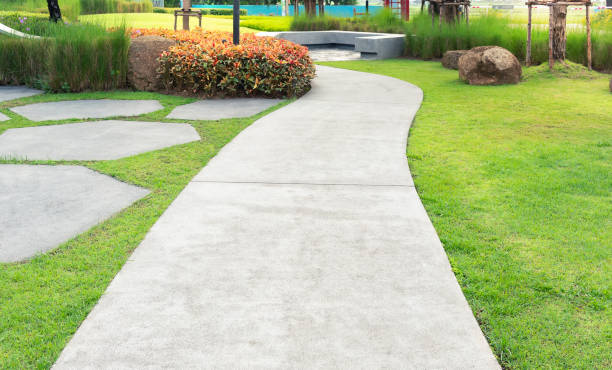
DIY Walkway Installation Tips for Williston Homeowners and Surrounding Areas
DIY walkway installation tips for Williston homeowners and surrounding areas can help transform outdoor spaces while saving on installation costs. Walkways enhance curb appeal, improve accessibility, and create defined paths through landscapes. When planned and installed correctly, a DIY walkway can be both functional and visually appealing. Understanding preparation, material selection, and installation techniques is essential to building a walkway that lasts and performs well in local conditions.
Why Is Planning Important Before Starting a DIY Walkway Project in Surrounding Areas?
Planning is the foundation of a successful DIY walkway project because it determines layout, material choice, and long-term performance. Homeowners should consider how the walkway will be used, how much foot traffic it will receive, and how it fits into existing landscaping. Proper planning also helps identify drainage needs and slope adjustments to prevent water buildup. In surrounding areas, thoughtful planning reduces mistakes and ensures the finished walkway is safe, durable, and visually balanced.
How Should Homeowners Choose the Right Walkway Material for DIY Installation?
Choosing the right material depends on budget, skill level, and desired appearance. Concrete pavers, gravel, and stepping stones are popular DIY options because they are easier to install and forgiving for beginners. Each material offers different benefits in durability and maintenance. Homeowners in surrounding areas should also consider climate factors, selecting materials that handle moisture, heat, and soil movement effectively.
What Site Preparation Is Needed Before Installing a Walkway?
Proper site preparation involves clearing vegetation, marking the walkway path, and excavating the area to the correct depth. A solid base is essential for preventing shifting and settling over time. Homeowners should compact the soil and add a base layer of crushed stone or gravel to improve stability and drainage. Skipping preparation often leads to uneven surfaces and premature damage.
How Important Is a Strong Base for Walkway Longevity?
A strong base is critical for walkway longevity because it supports the surface material and distributes weight evenly. Without a properly compacted base, walkways may sink, crack, or shift. In surrounding areas with changing weather conditions, a solid foundation helps maintain alignment and reduces maintenance needs over time. Investing time in base preparation ensures a smoother and longer-lasting result.
How Can Homeowners Ensure Proper Drainage for DIY Walkways?
Proper drainage prevents water from pooling on or under the walkway. Homeowners should slightly slope the walkway away from structures and ensure the base material allows water to pass through. Using permeable materials such as gravel or spaced pavers can improve drainage. Good drainage protects the walkway from erosion and reduces slip hazards.
What Are the Best Techniques for Installing Pavers or Stones Evenly?
Even installation requires careful leveling and spacing. Homeowners should use a straight edge or level frequently during installation to maintain a smooth surface. Spacers or sand joints help keep consistent gaps between pavers or stones. Taking time to adjust alignment during installation helps avoid uneven walking surfaces and improves overall appearance.
How Can Edging Improve the Durability of DIY Walkways?
Edging plays a key role in maintaining walkway shape and preventing materials from spreading. Installing edging along both sides of the walkway helps hold pavers, stones, or gravel in place. This added support increases durability and keeps the walkway looking clean and defined. Edging also reduces maintenance by minimizing movement over time.
What Mistakes Should DIY Walkway Installers Avoid?
Common mistakes include skipping base preparation, failing to account for drainage, and rushing the installation process. Inconsistent leveling and poor material selection can lead to uneven surfaces or early wear. Homeowners in surrounding areas benefit from taking their time and following proper steps to avoid costly repairs later.
How Can DIY Walkways Be Maintained After Installation?
Maintaining a DIY walkway involves regular cleaning, checking for shifting materials, and making small adjustments when needed. Removing debris and addressing uneven areas early helps preserve appearance and safety. Periodic re-leveling or replenishing joint material keeps the walkway stable and functional for years.
When Should Homeowners Consider Professional Help Instead of DIY?
Professional help may be necessary for large, complex, or high-traffic walkway projects. If the design involves significant grading, drainage challenges, or heavy materials, professional installation ensures safety and durability. Knowing when to seek help protects both the investment and long-term performance of the walkway.
Final Thoughts
DIY walkway installation tips for Williston homeowners and surrounding areas provide a practical path to improving outdoor spaces with confidence. With careful planning, proper preparation, and attention to detail, homeowners can create durable and attractive walkways that enhance accessibility and curb appeal. While DIY projects offer flexibility and cost savings, knowing your limits and focusing on quality workmanship ensures long-term success and satisfaction.
Are DIY walkways suitable for beginners?
Yes, simple materials like gravel or pavers are beginner-friendly with proper preparation.
How long does a DIY walkway project usually take?
Most small projects can be completed over a weekend, depending on size and complexity.
Do DIY walkways require permits?
Most residential walkways do not, but it’s best to check local guidelines if unsure.
Can a DIY walkway increase home value?
Yes, a well-designed walkway improves curb appeal and overall property aesthetics.
How often should a DIY walkway be maintained?
Basic inspections and light maintenance once or twice a year are usually sufficient.