Eco-Friendly Walkway Design Services in Trenton, Florida & Surrounding Areas
Eco-friendly walkway design services help homeowners and businesses in Trenton, Florida create beautiful, sustainable pedestrian paths that enhance curb appeal and minimize environmental impact. With growing interest in green living and low-maintenance landscapes, property owners in nearby communities like Bell, Fanning Springs, Cross City, Chiefland, Williston, Cedar Key, Inglis, and Yankeetown are choosing environmentally conscious options that combine durability, aesthetics, and long-term performance. From permeable pavers to recycled materials and native plant borders, eco-friendly walkways support sustainability and everyday functionality.
What makes a walkway “eco-friendly”?
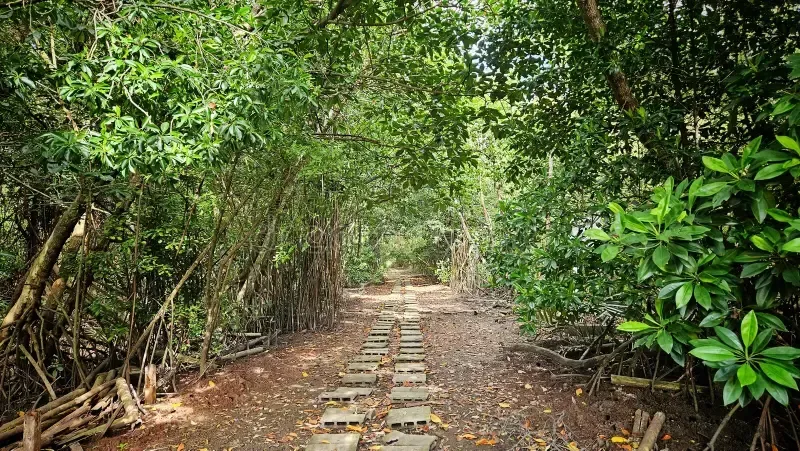
An eco-friendly walkway prioritizes materials and design strategies that reduce environmental impact, improve stormwater management, and support natural landscapes. This includes using permeable surfaces that allow rainwater to filter into the ground, recycled or sustainably sourced materials, and native plants along the edges to enhance biodiversity and reduce irrigation needs.
How does eco-friendly design help with drainage issues?
Traditional walkways often force water to run off into gutters and storm drains, which can contribute to erosion and flooding. Eco-friendly designs use permeable surfaces and graded slopes to allow rainwater to infiltrate into the soil, replenish groundwater, and prevent standing water — a major advantage in Trenton’s heavy-rain periods.
Can eco-friendly walkways coexist with decorative designs?
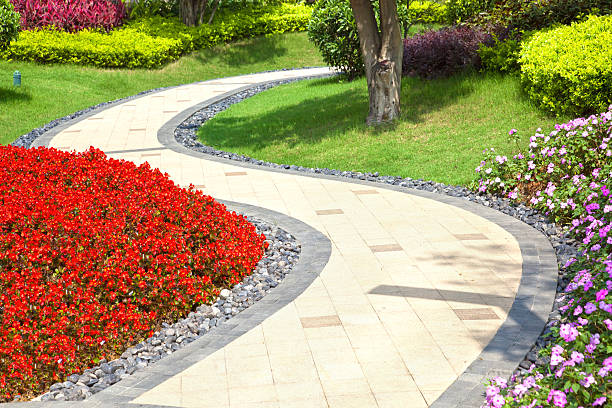
Absolutely. Sustainable walkways can be highly decorative. Options like patterned permeable pavers, natural stone mosaics, or mixed materials give you aesthetic freedom while maintaining environmental benefits. Designers often combine visual appeal with functionality so walkways look great and perform well.
Are native plants part of eco-friendly walkway design?
Yes. Planting native grasses, groundcovers, and shrubs along walkway edges stabilizes soil, enhances shade, and supports local wildlife. Native plantings also require less water and maintenance compared with exotic species, aligning with green landscaping goals in areas like Trenton and Cross City.
Do eco-friendly walkways save homeowners money long-term?
Yes. Sustainable walkways can reduce long-term costs by lowering the need for drainage repairs, minimizing erosion damage, and cutting maintenance expenses. Materials like permeable pavers also reduce irrigation needs, which can lower utility costs over time.
How does Trenton’s climate influence walkway design choices?
Trenton’s warm, humid climate and frequent rainstorms mean walkways must manage stormwater effectively and withstand moisture. Eco-friendly designs prioritize permeability and materials that resist mold, algae, and washout — ensuring durability through seasonal changes.
Can eco-friendly designs handle heavy foot traffic?
Yes. Many sustainable materials — including permeable pavers and natural stone — are engineered for durability. When installed correctly, they support heavy use without cracking or shifting, making them suitable for both residential and commercial properties in Williston, Fanning Springs, or Cedar Key.
How do I choose a quality eco-friendly walkway designer in Trenton?
Look for professionals with experience in sustainable landscape design, strong local reviews, and a portfolio of eco-friendly projects. Ask about certifications in green design, familiarity with Florida rainfall patterns, and examples of walkways they’ve built in nearby areas like Inglis or Yankeetown.
Are there rebates or incentives for sustainable walkways?
Some local water conservation programs or green building initiatives offer incentives for sustainable landscaping. Homeowners should check with county or regional agencies for rebates or cost-share programs that encourage eco-friendly property improvements.
Final Thought
Eco-friendly walkway design services in Trenton, FL and surrounding communities offer homeowners a way to blend function, sustainability, and visual appeal. By choosing permeable materials, native plant integration, and thoughtful grading, walkways can reduce environmental impact, manage water effectively, and complement your property’s overall aesthetic — all while adding long-term value and reducing maintenance.
What is the most sustainable material for walkways in Trenton?
Permeable pavers are among the most sustainable choices because they allow rainwater to infiltrate the ground and reduce runoff. Natural stone like flagstone or limestone is also strong and locally sourced, reducing transportation impacts. Recycled materials (brick, rubber) reuse waste and create durable surfaces.
Will eco-friendly walkways handle Florida’s heavy rains?
Yes. Sustainable designs prioritize permeability, proper grading, and stormwater management so water drains efficiently without pooling or causing erosion. Permeable surfaces and drainage channels channel rainwater into the soil instead of forcing it across hard surfaces.
How much do eco-friendly walkways cost compared to traditional ones?
Initial costs can be comparable or slightly higher due to materials and design strategy, but long-term savings on maintenance, drainage solutions, and irrigation often make eco-friendly walkways more cost-effective over time. A detailed quote from a local designer provides projected life-cycle savings.
Are eco-friendly walkways easy to maintain?
Yes. Walkways installed with permeable materials and native plants often require less maintenance because they manage water naturally, reduce weed growth, and minimize pooling. Occasional sweeping, joint refilling, and plant care are usually sufficient to keep them looking great.
Can sustainable walkways increase property value?
Absolutely. Eco-friendly walkways enhance curb appeal and attract buyers who value sustainability and low-maintenance landscapes. Their performance in handling water and reducing environmental impact adds practical and aesthetic value to properties.